Upgrade Your Backyard: Innovative Deck Designs From Professional Craftsmen
Innovative outdoor deck layouts can significantly improve a backyard's beauty and usability. Professional contractors know the significance of balancing aesthetics with function. By carefully selecting materials and integrating vital elements, every detail matters. Residents are progressively interested in developing zones perfect for relaxation and entertainment. While considering different possibilities, the opportunity for improvement is evident, encouraging a thorough look at how to realize their perfect outdoor sanctuary.
Selecting the Best Materials for Your Ideal Deck
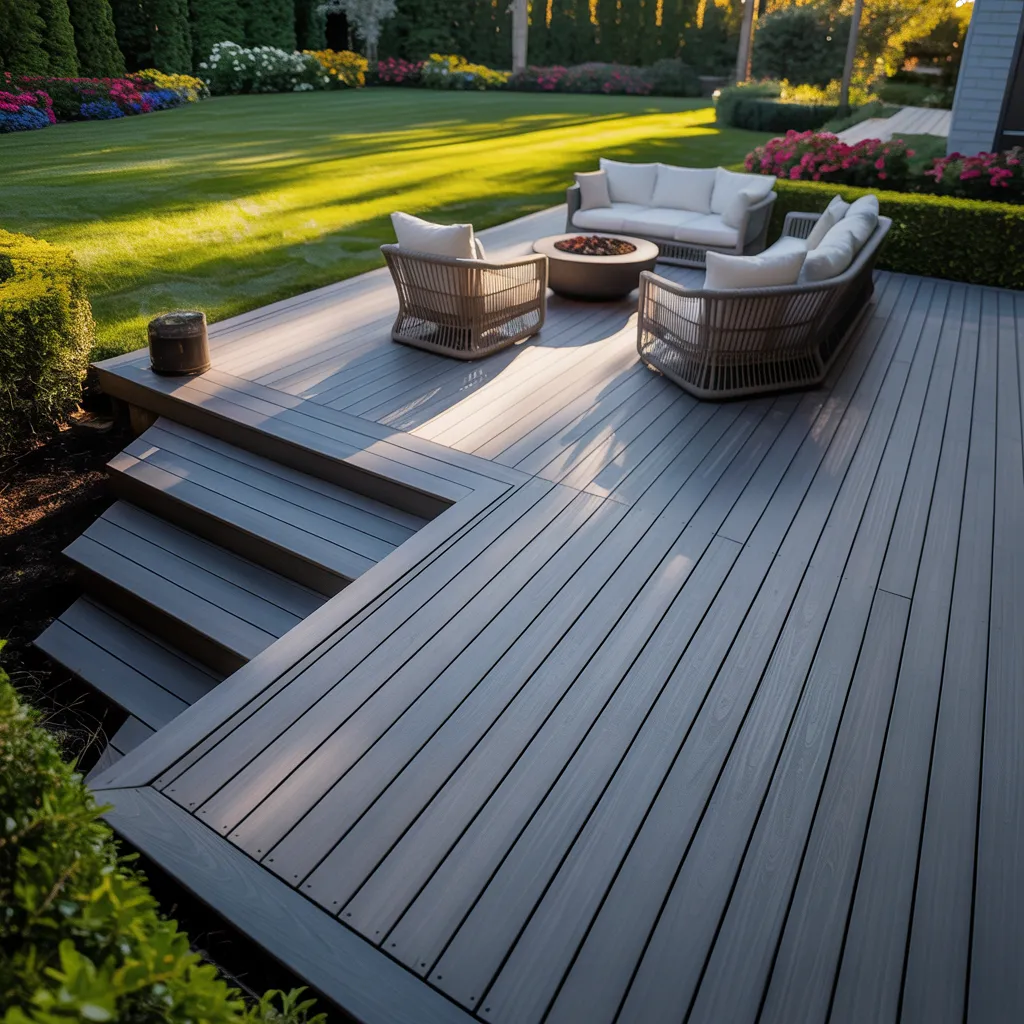
When picking out materials for a perfect deck, homeowners often consider both aesthetics and durability. The material choice greatly influences the general aesthetic and longevity of the deck. Wood, particularly cedar and redwood, provides a timeless charm with organic elegance but demands consistent upkeep to prevent rot and weather damage. Composite materials, on the other hand, provide a contemporary option, blending wood fibers with plastic for a low-maintenance option that holds up against fading and splinter damage.
Aluminum and PVC are gaining popularity owing to their long-lasting nature and elemental resistance, making them ideal for homeowners seeking minimal upkeep. Color and texture serve a vital role in enhancing visual appeal, as homeowners strive to achieve a unified aesthetic that enhances their outdoor area. At the end of the day, picking the right materials means striking a balance between individual style and functionality, resulting in a deck that is both aesthetically pleasing and long-lasting.
How to Choose a Modern Deck Style That Inspires
Choosing a modern deck style requires careful consideration of spatial needs, material choices, and prevailing design trends. When examining the available space, homeowners can determine the ideal arrangement and elements to maximize practicality. Considering a range of materials and staying attuned to design trends guarantees the deck not only complements the home but also promotes creativity and pleasure.
Assess Your Space Requirements
To create a modern deck that truly inspires, it's important to first evaluate the space at hand. Homeowners should begin by measuring the dimensions of their backyard, making note of potential challenges like trees, inclines, or current structures. This evaluation assists in establishing the appropriate size of the deck, making sure it enhances the surroundings without dominating them. Additionally, considering the intended use of the deck—whether intended for social gatherings, leisure, or outdoor gardening—will impact its structure and configuration. Knowing how sun exposure and shading affect the space is also critical; this influences the selection of placement and the general atmosphere. In the end, a comprehensive assessment of space needs establishes the groundwork for a practical and visually appealing modern deck.
Investigate Material Possibilities
When considering their material choices, homeowners can significantly impact the overall aesthetic and durability of their contemporary outdoor deck. Picking the ideal materials is crucial for creating a visually appealing and enduring outdoor space. Common options feature composite decking, which combines wood fibers and recycled plastic for a low-maintenance solution that withstands rot and color fading. Natural wood, including cedar or redwood, provides classic elegance but requires regular maintenance to prevent weathering. Moreover, aluminum decking provides a sleek, modern look and is highly resistant to corrosion. Homeowners should also look into sustainable choices, such as reclaimed wood or sustainably sourced materials, to enhance their deck's appeal while minimizing environmental impact. Ultimately, the material decision establishes the groundwork for an appealing outdoor living area.
Think About Design Trends
Selecting the appropriate materials establishes the foundation for discovering the latest design trends in modern decks. Architects and designers highlight clean lines and streamlined aesthetics, frequently integrating natural materials such as wood and stone. Open-plan designs continue to be favored, seamlessly blending indoor and outdoor spaces. Tiered decks create separate functional zones, promoting versatility and functionality. Additionally, the use of innovative lighting solutions enhances evening ambience, as eco-friendly materials demonstrate a growing commitment to sustainability. Design color choices have moved in the direction of warm earthy hues and gentle pastels, establishing a serene and tranquil environment. Adopting advanced technology, like automated illumination and climate-resistant features, continues to grow in popularity. By adopting these design directions, homeowners can craft remarkable outdoor retreats that transform their backyards.
Deck Layout Ideas That Save Space in Small Backyards
In what ways can homeowners optimize their outdoor living space within a compact backyard? Creative deck solutions can convert restricted spaces into practical outdoor sanctuaries. A practical strategy involves incorporating multi-level decks that establish separate areas for lounging and dining while keeping the space feeling open. Installing built-in benches along the borders can boost practicality while conserving essential square footage.
An additional option is to opt for a corner deck, which utilizes frequently neglected areas and can boost privacy. Folding and space-saving furniture can also be a game-changer, enabling homeowners to modify their setup as needed.
As a final tip, think about incorporating upward-reaching features, like wall planters or hanging lights, to pull the gaze upward, making the space appear larger. By adopting these space-efficient approaches, property owners can experience a well-designed and practical outdoor living area without feeling cramped.
Add Built-In Features That Enhance Your Deck's Functionality
Boosting deck functionality can be attained through the incorporation of built-in features that serve diverse needs. Built-in seating is a widely chosen choice, providing ease and making the most of space without the need for independent furniture. Furthermore, integrated storage solutions, such as benches with hidden compartments, can help keep the deck tidy and well-ordered.
Another functional enhancement is the inclusion of a built-in grill or outdoor kitchen, which turns the deck into a cooking centerpiece, ideal for hosting guests. Additionally, including planters or vertical gardens not only enhances visual appeal but also promotes a connection to nature.
These elements not only improve usability but also establish a cohesive design that blends seamlessly with the surrounding landscape. By strategically embedding these built-in features, homeowners can build a deck that acts as a flexible expansion of their living area, tailored to their lifestyle and preferences.
How to Light up Your Deck With Accessories
Integrating outdoor lighting elements can convert a deck into a delightful nighttime sanctuary. Innovative light selections, combined with purposeful elements, boost both security and atmosphere. By exploring different approaches and positions, deck owners can attain a elegantly lit outdoor space.
Unique Lighting Solutions
A selection of innovative lighting options can transform a backyard patio into a magical outdoor haven. Fairy lights, suspended beautifully overhead, produce a warm, welcoming environment, ideal for evening events. Solar-powered lanterns, set purposefully around the boundary, add a subtle glow while encouraging environmental responsibility. To achieve a contemporary look, recessed lighting can be placed in steps or along railings, improving safety while preserving learn the details visual appeal. In addition, decorative lighting accentuates architectural features or plants, adding visual appeal. LED ribbon lights lining the borders of the deck offer a modern touch, while movable fire pits bathe the area in a welcoming light. Combined, these choices allow homeowners to customize their outdoor deck illumination, establishing a calming space for leisure and socializing.
Functional Accessory Inspiration
Thoughtful lighting selections elevate the atmosphere of a residential deck, but practical accessories can greatly improve its usability and charm. Integrating multi-functional furniture, such as storage benches, maximizes space by offering both comfort and storage solutions. Weather-resistant cushions and throws can add comfort, keeping the deck welcoming and appealing. Additionally, incorporating accent tables featuring built-in coolers allows for easy access to refreshments while entertaining guests. A carefully chosen outdoor area rug can create distinct spaces, fostering a comfortable and inviting setting. For those who enjoy outdoor cooking, a portable grill or outdoor kitchen island can turn the deck into an outdoor dining destination. Such features not only boost practicality but also create a polished and unified exterior environment.
Safety and Environment Tips
Proper lighting plays a vital role in boosting both functionality and aesthetics on a backyard deck. Strategic placement of lights can illuminate walkways, stairs, and lounging spaces, reducing the risk of accidents during evening gatherings. Professionals advise incorporating low-wattage LED options for their long lifespan and efficiency. Soft lighting options, including string lights or lanterns, foster a welcoming environment, ideal for relaxation and entertaining. Installing focused lighting around barbecue or meal areas provides practicality and protection while handling food preparation in the evening. Moreover, installing automated lighting solutions empowers homeowners to fine-tune brightness and tone, greatly improving the deck's overall decorative impact. By combining safety features with decorative elements, a well-lit deck transforms into a welcoming outdoor space.
Adding Greenery Into Your Deck Design
While many homeowners focus on the structure and materials of their decks, adding greenery can convert an outdoor space into a beautiful haven. Professional deck builders advise integrating an assortment of plants to improve the overall look and establish a peaceful atmosphere. Vertical gardens, hanging planters, and built-in planter boxes can optimize space while introducing depth of texture and color.
Aside from aesthetic value, greenery can offer natural shade while enhancing air quality. Opting for locally adapted plants suited to the regional climate promotes sustainability while lowering maintenance demands. For a harmonious aesthetic, homeowners can choose pots and containers that align with the deck's overall design.
Carefully arranging vegetation alongside sitting spaces not only enhances comfort but also fosters a sense of harmony with nature. Through the deliberate addition of greenery throughout deck spaces, homeowners can create a welcoming environment that inspires leisure and appreciation of outdoor living.

Popular Questions We Receive
How Do I Maintain My Deck After Installation?
To maintain a deck after installation, routine cleaning is necessary. Applying a sealant each year shields the surface from moisture and UV exposure. Examining the deck for loose boards or nails promotes a safe environment, while addressing repairs in a timely manner increases the deck's overall durability.
Which Permits Are Necessary for Deck Construction?
Deck building projects commonly require construction permits, which differ depending on location. Property owners are advised to contact local municipal authorities to identify the exact requirements, including zoning regulations, structural codes, and any necessary inspections to confirm compliance with all applicable safety codes.
Can a Deck Be Built on a Sloped Yard?
Absolutely, building a deck on a hilly yard is feasible. That said, it calls for careful planning, adequate planning, and likely supplemental foundations to secure stability and safety, coupled with meeting local building regulations.
What Is the Typical Longevity of a Deck?
Most decks last 10 to 30 years on average, influenced by the type of materials, care provided, and local environmental conditions. Ongoing maintenance efforts, such as applying sealant and stain, is known to substantially extend the overall longevity and structural durability of a deck.
What Are the Fees Associated With Deck Installation?
The cost of deck installation varies considerably, typically ranging from $15 to $35 per square foot. Variables that impact the overall price include labor, materials, location, and design complexity, which can greatly impact the overall budget for the project.
Comments on “Helpful Tips to Deck Installation Austin”